Crypto: 178 sites compromised, including Ledger and HSBC, to change the address you copy-paste, how?
You copy a bitcoin address on a serious website, paste it into your wallet, and confirm. Except the address you just pasted is no longer the one you copied. On Monday, November 16, that could have happened to visitors of 178 sites, and not small ones: Zoom, the BBC, CNN, IKEA, HSBC, Air France-KLM, and even Ledger, the crypto wallet manufacturer. None of these sites was hacked directly. The hacker went through a tool they all use, Optimizely. And the good news is that the whole thing was spotted and cleaned up that same day.
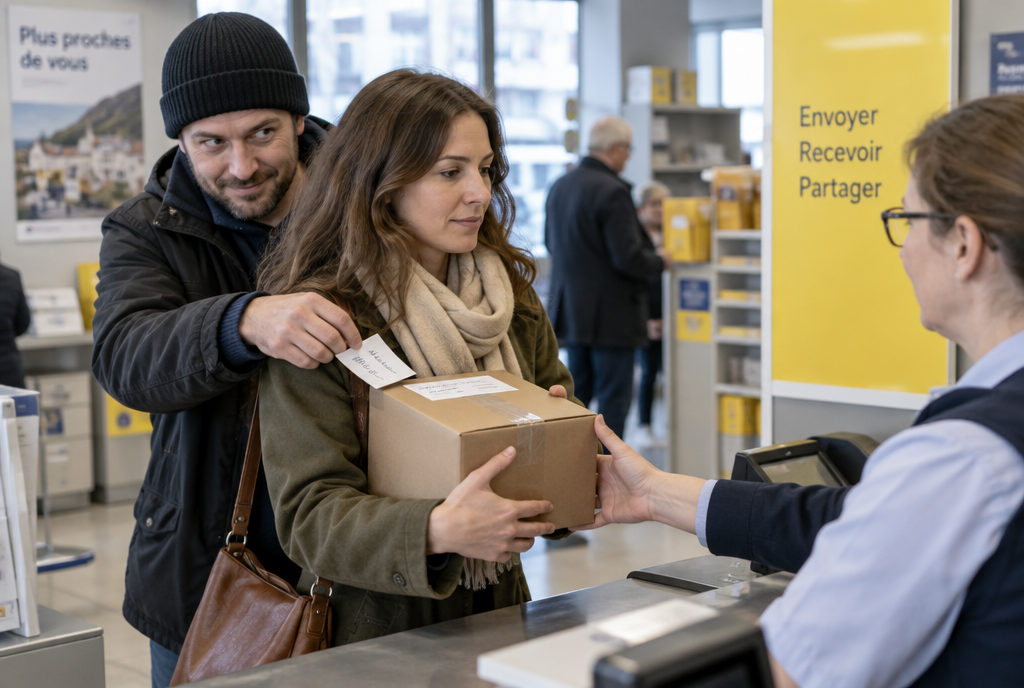
The parcel leaves just fine, but not for the right address
One provider, 178 sites
Optimizely is a tool that big websites use to run tests. For example, they show a green button to half of their visitors and a blue button to the other half, to see which one gets more clicks. For that to work, each page loads a small piece of code that comes directly from Optimizely's servers, on every visit.
The hacker didn't need to break into Zoom, then IKEA, then HSBC. According to Optimizely, they took advantage of a flaw in account creation at Optimizely to slip their own code into their clients' projects. And since this code came from Optimizely's servers, browsers accepted it without batting an eyelid. It's like poisoning the water tower instead of going house by house.

One provider affected, and 178 sites serving the same poisoned code
It was Scott Helme, a British security researcher at the company Report URI, who raised the alarm. His team examined 1,611 of these little bits of code and found 188 infected ones, more than one in ten, across 178 organizations, including 32 banks and financial companies. He thinks there were more, since he wasn't able to check everything in time.
What the code actually did
The main thing was swapping addresses. The code spotted every cryptocurrency address on the page: bitcoin, ether, solana, tron, litecoin, dogecoin and a few others. It even checked that they were valid, so it wouldn't give itself away with a fake address. A conscientious hacker, you have to give him that. Then it replaced them with the hacker's own. In the page's text, in forms, and especially in the clipboard, that memory where your computer keeps what you just copied. Scott Helme's sentence sends a chill down your spine: "copy an address from any affected page, or from anywhere as long as this tab is open, and you risk pasting the hacker's". As long as the tab is open! So you can copy your address from your own app and still get caught.
The code also grabbed bank card numbers typed directly into the site's forms, along with the expiration date and the code on the back. Cards entered into the small payment window of a bank or an outside provider, on the other hand, were out of reach. It also copied certain cookies, those little files that keep your session open, and took screenshots.
On iPhones and iPads, it also tried to install two known attack kits, Coruna and DarkSword, tools that exploit flaws in older versions of iOS. This targeted iPhones left between iOS 13 and iOS 18. According to the comments left in the code itself, iOS 18.7.3 and later versions are protected, as are iOS 26.3 and beyond. The company Hudson Rock, which investigated on its own side, says it was unable to reproduce the end of the attack on a real iPhone.
The haul: 7,000 dollars
According to Report URI, the hacker's wallets had received around 7,040 dollars in nine hours, and roughly 7,150 dollars in total, mostly in bitcoin. Other investigators count less. The hacker started sending the money to exchange platforms on Monday, and the wallets were empty on Tuesday morning. The number of bank cards and stolen cookies, meanwhile, remains unknown.
178 web giants, including banks and a manufacturer of bitcoin vaults, and the hacker walks away with roughly the price of a small used car. He did put in the work: he rebuilt his code 26 times during the day on Monday. The cleanup was quick. A major cleanup operation took place on Monday evening, and at 12:11 a.m. Belgian time, in the night from Monday to Tuesday, all the infected code was clean. Optimizely says it fixed the vulnerability, removed the code and secured the affected accounts.
As for Ledger, which has been showing up in my articles lately (five days ago I was talking about spy chips found in wallets, at Trezor this time), Report URI saw no sign that the physical wallets themselves had been affected. The risk was on the website, when copying and pasting. Ledger did not answer CoinDesk's questions.
The three reflexes that would have saved you
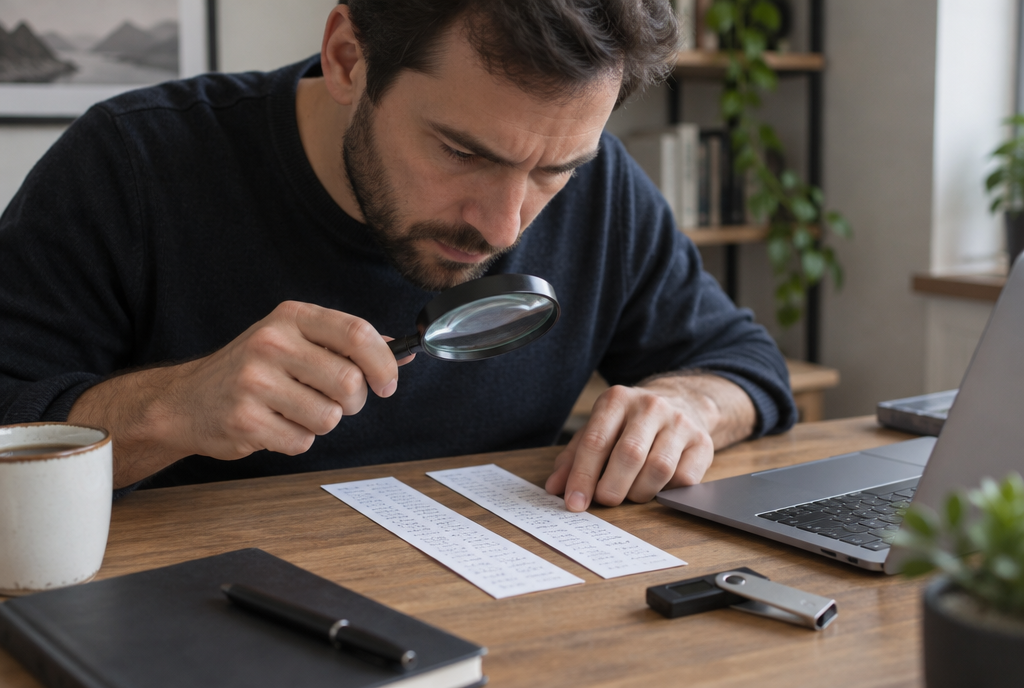
Compare the pasted address with the original one, before confirming the transfer
First reflex, the most important one: before sending crypto, compare the address you pasted with the one you intended. Not just the first three characters, several sections at the beginning, in the middle and at the end. If you have a physical wallet like a Ledger or a Trezor, check the address on its own little screen, not just on the computer: that's exactly what it's there for. And for a large amount, send a small sum first to test it. It costs a few fees, it's still cheaper than losing everything.
Second reflex: update your iPhone and iPad. If you're already on iOS 26.3 or newer, or on iOS 18.7.3 if your device can't go any further, this part of the attack doesn't concern you. Settings, General, Software Update.
An up-to-date iPhone was not affected by the part of the attack targeting iOS
Third reflex: if you paid by card on one of these sites on Monday, November 16, by entering your number directly into their form, keep an eye on your statements over the next few weeks. At the slightest suspicious purchase, call your bank to block the card.
When you get right down to it, the weak link was neither the blockchain, nor Ledger, nor your wallet. It was a small bit of test code, loaded by sites that trusted it completely. And frankly, Mr. Hacker, 26 versions of your code in one day for $7,000? At that rate, you'd make a better living doing honest computer troubleshooting!
Sources
- Report URI, November 16 and 17, 2026: major brands infected with malware via Optimizely (in English)
- CoinDesk, November 17, 2026: crypto-stealing code planted on 178 sites, including HSBC, the BBC and Ledger (in English)
- Help Net Security, November 17, 2026: malware distributed via Optimizely affects 178 organizations (in English)
- Hudson Rock: malicious scripts found on four web services (in English)
Article written with the help of Claude Code, reread and corrected by me.
Join the conversation
You need an account to comment on this article. Creating one is free and takes under a minute.
No comments yet.